After Sex
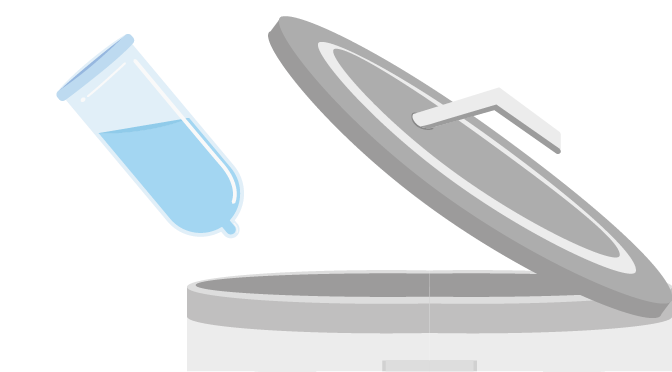
It may not seem like the most romantic thing to do, but it is important to inspect the condom after use. After pulling away from your partner and removing the condom, always check that there aren't any holes and that the semen is contained within the condom.
Did the condom break? Or maybe you didn’t use a condom but don’t want to get pregnant? If so, you can get emergency contraception. Emergency contraception is available up to 5 days (120 hours) after unprotected sex but is more effective the sooner it is taken. It is available free from the GUM/Sexual Health clinic and most pharmacies.
If the condom broke (or you didn’t use a condom) and you think that there may be a risk of HIV, the Sexual Health clinic can prescribe a medication that can help prevent this. This medication is called Post Exposure Prophylaxis (PEP) and must be taken within 3 days after sex. Visit the sexual health clinic or call 111 if you think you have been at risk of HIV. You can read more about PEP here.
Firstly, check out these questions:
If you answered 'yes' to these questions, then you may need to take a pregnancy test. You can usually start testing 3 weeks after unprotected sex, or after a missed period. Free testing is available at the sexual health clinic.
If you anwered 'no' but you still think you might be pregnant, you can still take a pregnancy test to put your mind at rest.
You don’t need to immediately hop out of bed and into the shower, but gently cleaning yourself after sex can help protect you from some conditions, such as urinary tract infections (UTIs). For females, wash the area around (but not inside) your genitals with plain warm water. You can also try mild soap or aqueous cream and water. Men (or people who have a penis) with a foreskin should gently pull it back and wash underneath with warm water. You may have picked up bacteria from touching your own or your partner’s genitals, so also wash your hands with soap and warm water and make this part of your post-sex, clean-up routine.
Some people think they need to clean inside their vagina or anus after sex, with water or pre-packaged fluids. This is called douching. Douching may lead to infections as it can upset the natural balance of the vagina and irritate the delicate skin of the anus. The best way to take care of the vagina after sex is to leave it alone, as it should clean itself naturally. The best way to take care of the anus is to simply just give it a little wash with a mild soap.
During sex, bacteria can get into your urethra (the tube that carries urine out of your body). This can raise your chances of getting an infection. We recommend emptying your bladder after sex as peeing helps to flush these germs out.
Remember: if you have a vagina, wipe from front to back to stop the spread of bacteria.
Bacteria, viruses and other particles can remain on sex toys after use, which can spread sexually transmitted infections.
Clean each toy after every use (check the packaging for cleaning instructions). It’s better not to share toys with others, as doing so can pass germs back and forth. If you do plan to share, try to cover the toy with a new condom each time you use it.
If you’re sexually active (and especially if you’ve had sex with a new partner), it’s a good idea to get tested for STIs.
Most of the time these infections have no obvious symptoms, so getting tested is the only way to know for sure if you have one. Although most people won't have symptoms, if you do notice things like vaginal bleeding after sex, unusual discharge, blisters, sores, spots, or lumps around your genitals, these could be signs of an infection, so come and get them checked out.
Communication is key to a healthy sexual relationship. Some possible topics to discuss include: